
Have you ever wondered, "Who invented the traffic light?" Traffic lights are crucial for maintaining safe and efficient road systems. We rely on them daily, but their invention has a rich history.In this article, we’ll explore the origins of traffic lights, the inventors behind them, and how their contributions revolutionized transportation. You’ll gain a deeper understanding of how these systems continue to shape urban mobility.
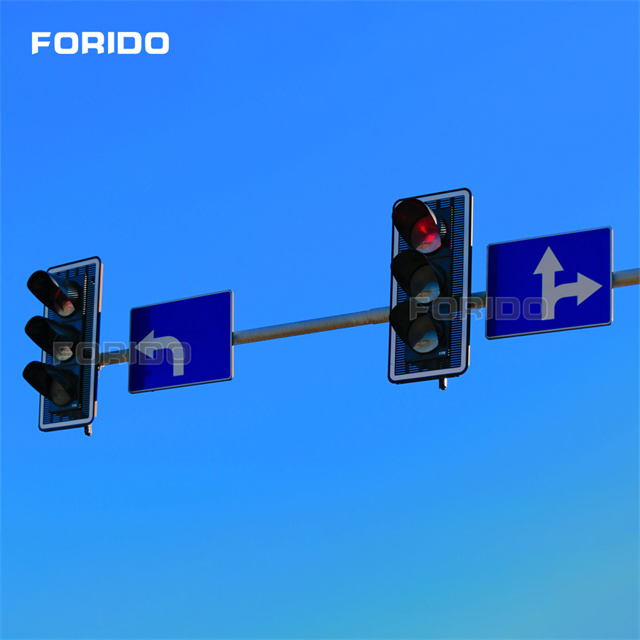
Before the invention of modern traffic lights, cities used various rudimentary methods to manage traffic. In early urban settings, traffic was often controlled by hand signals, flags, and policemen, who were positioned at intersections to direct vehicles and pedestrians. These early systems were essential but inefficient, often leading to confusion and accidents, particularly as cities grew and the number of vehicles increased.
In the 19th century, as the popularity of horse-drawn carriages, and later automobiles, surged, the limitations of these systems became evident. At busy intersections, the manual systems struggled to maintain order, leading to constant traffic jams and accidents. The increasing demand for a more automated and effective solution to manage traffic flow pushed engineers and urban planners to look for innovations that could improve traffic regulation.
Early Traffic Control Methods | Challenges |
Hand signals | Lack of clarity, potential confusion |
Flagmen or police officers | Inconsistent, human error prone |
Simple barriers or road signs | Inadequate for complex intersections |
As cities became larger and more complex, the need for a more reliable system became urgent. This led to the eventual creation of the first traffic light, which would revolutionize the way we manage transportation and road safety.
The first known traffic light was designed by John Peake Knight, a British railway engineer, in 1868. Knight’s traffic light was installed outside the British House of Parliament in London. Unlike today's modern traffic lights, Knight’s system used gas lamps and was manually operated by a policeman. The system had two colors: red and green. The red light signaled "stop," while the green light signaled "go."
This traffic light was primarily designed to control the flow of horse-drawn carriages and to prevent accidents at busy intersections. Although this early traffic light was short-lived due to a gas explosion, it marked the beginning of a new era in traffic regulation. The explosion was a tragic event, but it didn't stop the pursuit of better traffic control systems, leading to further innovations in the coming years.
First Traffic Light | Inventor | Features |
1868 | John Peake Knight | Gas lamps, manually operated, red and green signals |
Although this early invention was a significant step forward, it was clear that improvements were needed. The world would soon see the next generation of traffic lights, ones that were automatic, electric, and much safer to use.
One of the most notable inventors in the development of traffic lights was Garrett Morgan, an African American inventor. In 1923, Morgan patented his design for the first automatic electric traffic light, a monumental advancement over the manually operated systems that came before it. Unlike earlier designs, Morgan’s traffic light used electric signals to indicate when vehicles should stop or go, eliminating the need for a policeman to control the flow.
Traffic Light System | Inventor | Key Innovation |
1923 | Garrett Morgan | Electric signals, yellow caution light |
Morgan’s design also introduced the yellow light, a feature that is essential in today's modern traffic light systems. The yellow light served as a caution signal, warning drivers that the light was about to turn red. This system was much more reliable and efficient than previous models, and it became the precursor to the modern traffic lights we use today.
Garrett Morgan’s invention is significant not only because it automated traffic control but also because it made traffic lights more accessible and effective for controlling high-volume traffic in growing urban environments. His innovation paved the way for future developments that would make traffic lights smarter and more adaptive.
Another key figure in the development of traffic lights was William Potts, a Detroit police officer who developed the first three-color traffic light in 1920. Potts’ system introduced the now-familiar red, yellow, and green signals, which are used worldwide today.
Three-Color Traffic Light | Inventor | Key Contribution |
1920 | William Potts | Red, yellow, and green signals, automatic system |
Before Potts' invention, traffic signals used only red and green lights, which were inadequate for managing traffic at busy intersections. The introduction of the yellow light allowed for better communication between drivers, making it easier to signal when to stop and when to proceed. Potts' innovation also made traffic control more reliable by using automatic timing systems, which meant fewer accidents and a more orderly flow of traffic.
His system addressed the growing need for efficient traffic regulation in cities that were rapidly expanding. The three-color system would eventually spread across the United States and become the standard for traffic lights around the world.
Early traffic lights were manually controlled, requiring police officers to change the lights based on traffic flow. However, this system was not sustainable, especially as cities expanded. The shift to automatic systems began in the early 20th century as engineers recognized the need for a more reliable and efficient method to control traffic.
Traffic Light Evolution | Manual System | Automatic System |
Early 1900s | Policeman-controlled | Traffic lights operate without human intervention |
Modern systems | Single color or fixed timing | Adaptive, sensor-based control, real-time adjustments |
Automatic systems allowed traffic lights to adapt to changing conditions, adjusting the timing based on traffic volume and other factors. This shift from manual to automatic control marked a turning point in how cities managed their traffic, making transportation systems more efficient and safer for all road users.
With the advent of modern technology, smart traffic lights have emerged. These advanced systems use sensors, cameras, and adaptive control systems to manage traffic in real-time. Smart traffic lights can detect the flow of vehicles and adjust their signal timings accordingly, reducing congestion and improving traffic safety.
Smart Traffic Lights | Technology | Benefits |
Modern Systems | Sensors, AI, adaptive control | Reduced congestion, real-time adjustment, energy efficiency |
These smart systems are capable of responding to real-time traffic conditions, allowing for smoother traffic flow, fewer delays, and a decrease in fuel consumption and pollution. Smart traffic lights are already being implemented in cities around the world and are expected to play an even larger role in the future as urban areas continue to grow.
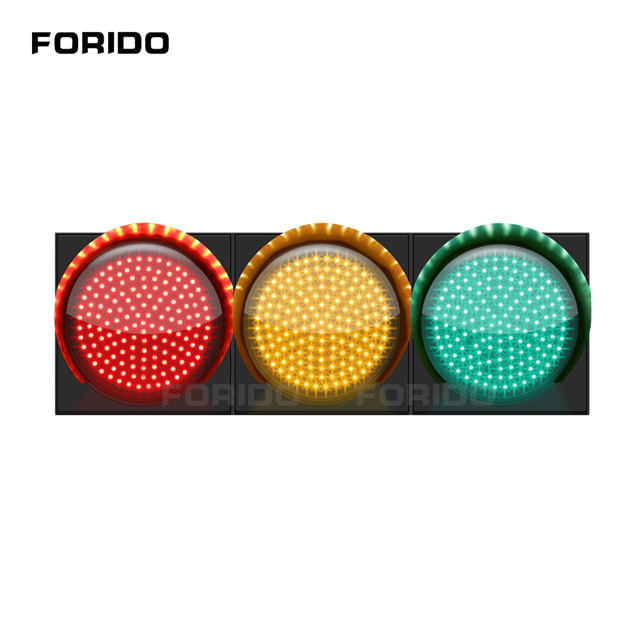
Since their invention, traffic lights have played a pivotal role in making urban roads significantly safer. By providing clear, predictable signals, traffic lights help regulate the movement of vehicles and pedestrians, reducing the chances of accidents. They guide traffic through busy intersections, ensuring that vehicles stop when necessary and go when it's safe, thereby minimizing the risk of collisions. Additionally, traffic lights improve the overall flow of traffic, reducing congestion and making commuting more efficient.
Studies have shown that cities with efficient traffic light systems experience lower accident rates, fewer traffic jams, and reduced travel times. For instance, synchronized traffic light systems allow cars to move through intersections with minimal stops, which helps save time and reduces the likelihood of rear-end collisions. These advancements also make it easier for pedestrians to cross the street safely, as traffic lights provide clear signals about when it’s safe to walk and when to wait.
Traffic Light Impact | Effect on Roads | Outcome |
Before Traffic Lights | Chaos, high accident rates | Increased accidents and confusion |
After Traffic Lights | Predictable flow, safer roads | Reduced accidents and improved safety |
The widespread adoption of traffic lights in urban centers worldwide has contributed greatly to the safety and efficiency of streets. They have made roads safer for everyone—whether you're behind the wheel, riding a bike, or walking as a pedestrian. In busy cities, where traffic is constant and congestion is high, traffic lights help maintain order, reduce accidents, and make it easier for people to get where they need to go.
By providing a clear and synchronized system of signals, traffic lights ensure that all road users can navigate safely and efficiently. Over time, their role in urban planning has only grown, making them an indispensable tool for smart cities.
Traffic lights are an essential part of urban planning, helping cities manage congestion and ensure efficient traffic flow. As cities grow, the importance of traffic lights only increases, especially in highly populated areas with heavy traffic. The evolution of traffic lights, including the rise of smart traffic lights, is helping cities adapt to the challenges posed by increased traffic volumes.
Smart City Benefits | Traffic Light Contributions | Future Outlook |
Improved mobility | Real-time traffic flow control | Smarter cities with adaptive lights |
Reduced congestion | Coordination with smart systems | Sustainable urban transportation |
With advancements in technology, traffic lights will continue to evolve, making cities more efficient, sustainable, and safe for residents.
Traffic lights have come a long way since their invention, evolving from simple gas lamps to sophisticated electronic systems that regulate traffic flow and improve road safety. Pioneers like John Peake Knight, Garrett Morgan, and William Potts have all played key roles in shaping the modern traffic light system.As technology continues to advance, we can expect traffic lights to become even more adaptive and efficient, helping cities manage growing populations and reduce congestion. Their role in urban mobility will only increase, contributing to safer, smarter cities in the years to come.
Forido is a leading manufacturer of outdoor lighting products, specializing in the design, research and development, production, sales, construction, and installation services. We provide innovative lighting solutions that contribute to safer, more efficient urban environments. With a focus on quality and sustainability, Forido is committed to lighting the way for smarter cities and safer roads.
A: The first traffic light was invented by John Peake Knight in 1868. It was a manually operated gas lamp system installed in London. However, Garrett Morgan later created the first automatic electric traffic light in 1923, which introduced the yellow light and is considered a major advancement.
A: The first traffic light, invented by John Peake Knight, was manually controlled and used gas lamps to show red and green signals. It was installed outside the British House of Parliament to manage the flow of horse-drawn carriages.
A: Garrett Morgan invented the first automatic electric traffic light in 1923, which was a significant step forward. His system introduced the yellow caution light, making it safer for vehicles to know when to stop or proceed.
A: The yellow light was introduced by Garrett Morgan as a warning to vehicles to slow down and prepare to stop. It ensures that drivers have enough time to react before the light turns red, reducing accidents at intersections.
A: Traffic lights have evolved from manual gas lamps to fully automated systems. Today, smart traffic lights use sensors and AI to adapt to real-time traffic conditions, improving traffic flow and safety, especially in busy cities.
