Have you ever wondered why traffic lights follow specific rules? Traffic lights are essential for road safety, ensuring smooth traffic flow and preventing accidents. Understanding the rules of traffic lights is vital for both drivers and pedestrians.In this article, we will explore the core rules of traffic lights, including what each color means. You will learn how these rules contribute to safer roads and more efficient transportation systems.
Traffic lights are signaling devices used to control traffic at intersections, pedestrian crossings, and other key points along roadways. They provide clear instructions to drivers, cyclists, and pedestrians to ensure smooth movement and prevent accidents. These signals are designed to maintain order and reduce the risk of collisions, making them a critical component of road safety.
Component | Purpose |
Red Light | Indicates "stop," ensuring traffic clears the intersection. |
Yellow Light | Warns drivers to prepare to stop, signaling a transition. |
Green Light | Signals "go," allowing vehicles and pedestrians to move safely. |
Traffic lights are often controlled by a central system that adjusts their timing based on traffic volume, making sure that vehicles can move smoothly through busy intersections. When used correctly, they minimize congestion and contribute to efficient urban mobility.
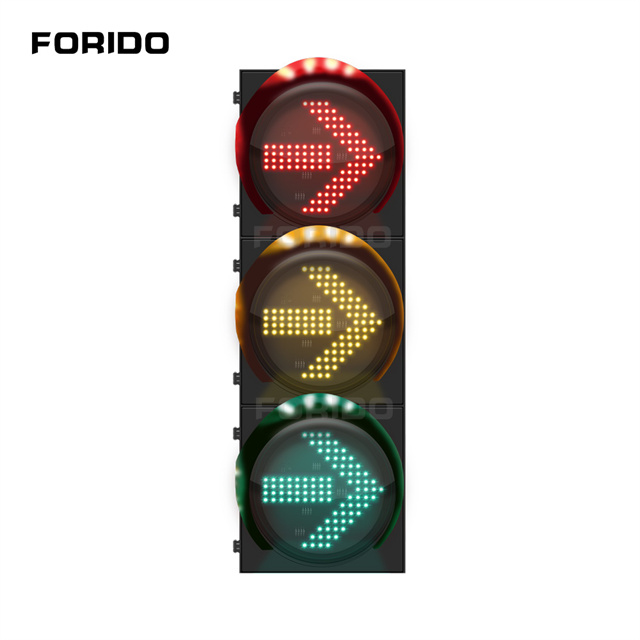
The standard traffic light colors are red, yellow (amber), and green. Each color has a specific meaning:
Color | Meaning |
Red | Stop |
Yellow | Prepare to stop |
Green | Go |
These colors are universally understood across the world, helping ensure clarity and consistency in traffic regulation. The use of red, yellow, and green for traffic signals is standardized to provide clear and easily recognizable instructions to road users, regardless of location. While the colors remain the same, their usage might slightly differ depending on regional traffic laws or specific local rules. For example, in some countries, flashing yellow lights may indicate caution, while in others, they could signal that drivers should slow down and proceed with caution. Similarly, certain regions may allow right turns on red, while others may restrict it. Despite these minor differences, the core principles of the traffic light system—providing clear instructions for stopping, preparing to stop, and going—remain consistent, ensuring safety and reducing confusion for drivers and pedestrians around the world.
Following traffic light rules is essential for maintaining safety on the road. These rules prevent accidents and ensure that traffic flows smoothly. For drivers, adhering to traffic light signals helps avoid confusion and reduces the likelihood of collisions with other vehicles or pedestrians. For pedestrians, it ensures safe crossings, preventing injuries and fatalities.
By understanding and respecting traffic light signals, everyone contributes to a more orderly and safer driving experience, especially in urban areas where traffic density is high.
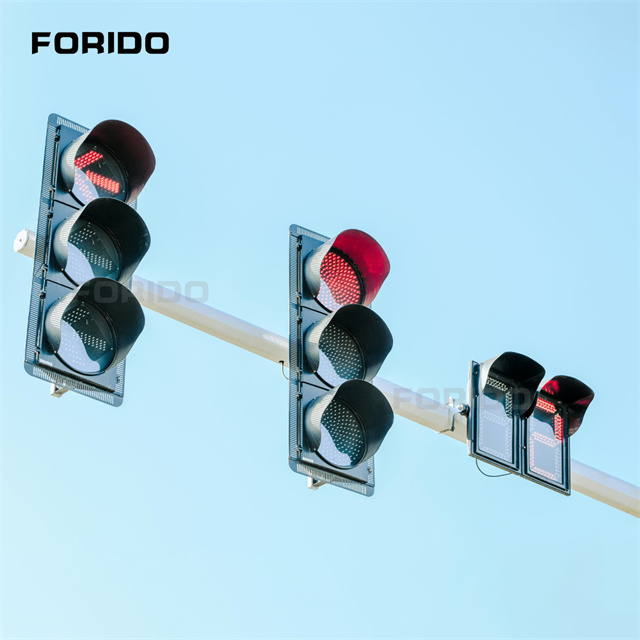
The red light is one of the most critical signals on the road. When the light turns red, vehicles must come to a complete stop to allow other traffic or pedestrians to cross safely. The red light acts as a barrier to prevent vehicles from entering the intersection when it’s unsafe, reducing the risk of accidents.
Action at Red Light | Required Action |
Vehicles | Stop completely and wait for the green light. |
Pedestrians | Wait for the green pedestrian signal before crossing. |
In some regions, flashing red lights may be used to indicate a stop sign, where vehicles must stop and yield to other traffic before proceeding.
The yellow or amber light serves as a warning that the signal is about to change. It is a signal for drivers to prepare to stop if they haven’t already passed the intersection. The yellow light is a cautionary signal, allowing drivers to react appropriately to the changing light.
Action at Yellow Light | Required Action |
Vehicles | Slow down and prepare to stop. |
Pedestrians | Do not start crossing if the light turns yellow. |
Drivers should not speed up when approaching a yellow light, as it indicates that the light will soon turn red. If you’re close to the intersection, it’s safer to slow down and stop. If you’re further away, you may proceed with caution.
The green light signals that vehicles and pedestrians can move forward safely. However, it’s important to remain cautious even when the light is green. Drivers should always check for pedestrians, cyclists, and other vehicles before moving through the intersection. Green lights allow the safe flow of traffic, but drivers should ensure they are not causing obstructions or accidents when moving forward.
Action at Green Light | Required Action |
Vehicles | Proceed when the intersection is clear. |
Pedestrians | Cross the street when the pedestrian light is green. |
In some cases, the green light may be part of a green wave, where multiple lights are synchronized to allow continuous movement along a street, reducing the need for stops.
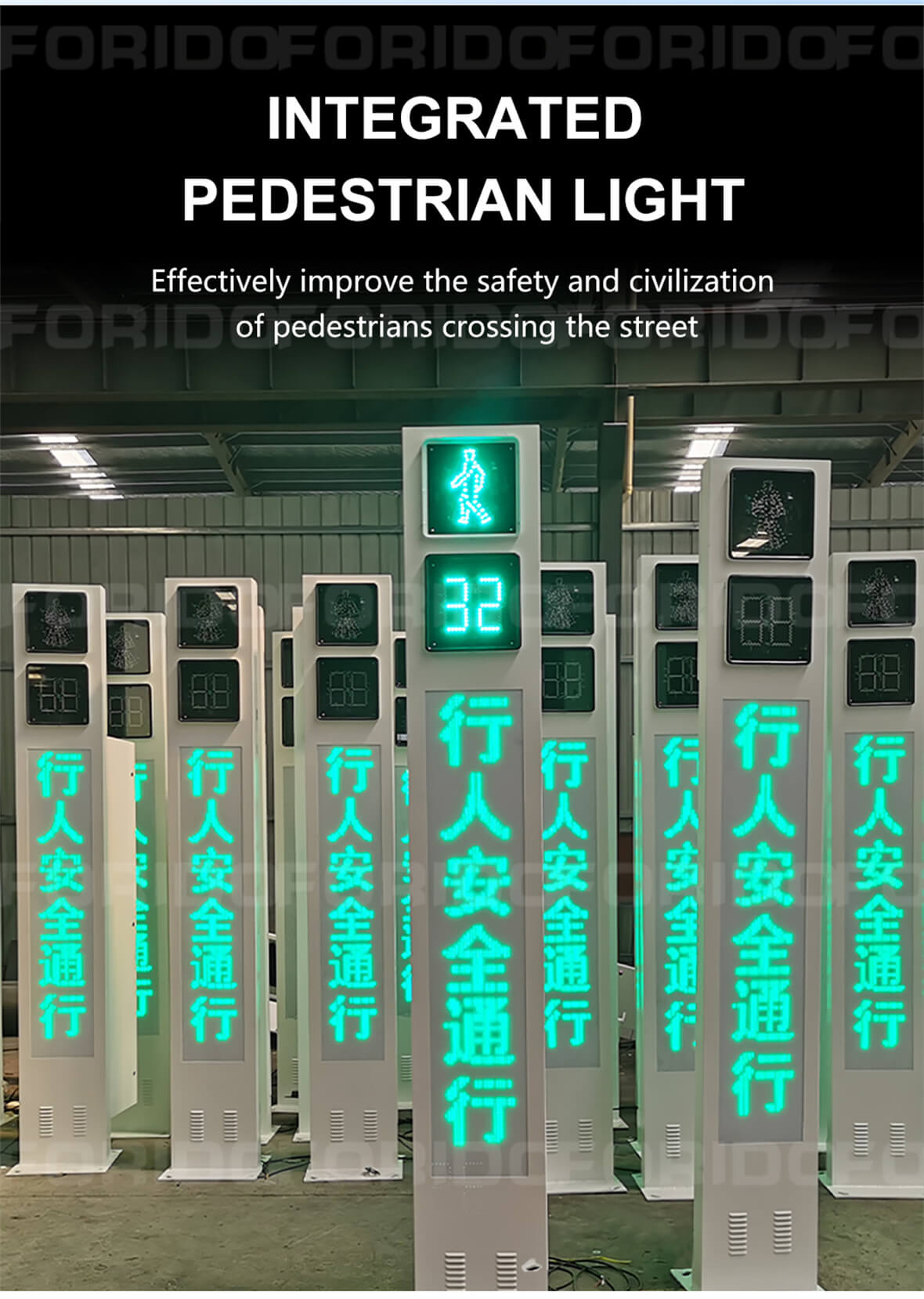
Pedestrian traffic signals are essential for ensuring pedestrian safety. These signals typically use red and green lights or symbols to indicate when it is safe to cross:
● Red pedestrian signal: This signal indicates that pedestrians must stop and wait. A red pedestrian light is a clear instruction for people to refrain from crossing the street, ensuring that they do not enter the intersection when vehicles may be moving. Attempting to cross during a red pedestrian signal could lead to accidents, as vehicles might still be crossing or making turns. It’s important for pedestrians to understand that this signal is for their safety and to avoid the risk of being struck by traffic.
● Green pedestrian signal: A green pedestrian signal shows that it is safe to cross the street. Often accompanied by a walking figure symbol, this signal indicates that vehicles are stopped and pedestrians have the right of way. It provides clear instructions to pedestrians that it’s safe to walk across the intersection or crosswalk. In some locations, a countdown timer might accompany the green pedestrian signal, giving pedestrians a clear idea of how much time they have left to cross safely. This signal is crucial for ensuring that pedestrians can cross the street without the risk of vehicle traffic moving through the intersection.
Pedestrian Signal | Meaning |
Red Pedestrian Signal | Stop and wait for the green light. |
Green Pedestrian Signal | Safe to cross the street. |
Pedestrian signals are designed to work in sync with vehicle traffic signals to minimize confusion and reduce accidents.
Pedestrian signals are often timed to work with vehicle traffic lights. When vehicles stop at a red light, pedestrian signals usually turn green, allowing pedestrians to cross safely. This synchronization helps prevent accidents and ensures smooth traffic flow for both pedestrians and drivers.
In some cities, countdown timers are added to pedestrian signals, showing how many seconds are left before the light changes. This feature helps pedestrians gauge whether they have enough time to cross safely.
In many regions, vehicles are allowed to turn right on red after coming to a complete stop, unless otherwise indicated by a sign. However, drivers must yield to pedestrians and other vehicles before making the turn. This rule helps to increase traffic flow and reduces waiting times at intersections, especially in high-traffic areas.
It’s essential to be cautious when turning right on red, as not all intersections allow it, and doing so without checking for pedestrians can lead to accidents.
Flashing traffic lights are often used in specific scenarios to convey special instructions:
● Flashing red lights indicate that vehicles must come to a complete stop and only proceed when it is safe to do so, similar to a stop sign. This signal is often used at intersections or areas where there is less traffic or during off-peak hours. It requires drivers to treat the flashing red as if it were a stop sign, ensuring that they yield to other vehicles or pedestrians before continuing. This helps maintain safety in situations where a full traffic light system may not be necessary but still requires control over traffic movement.
● Flashing yellow lights, on the other hand, signal that drivers should slow down and proceed with caution. These lights are typically used to warn of potential hazards, such as a busy intersection, roadwork, or sudden changes in traffic conditions. Drivers are advised to remain alert, as the flashing yellow light suggests that there might be other risks ahead that require careful navigation. Flashing yellow lights help reduce unnecessary stops, especially in low-traffic areas, improving traffic flow while ensuring safety by alerting drivers to potential dangers.
Modern traffic lights are integrated into adaptive traffic control systems, which use real-time data to adjust signal timings based on current traffic conditions. These systems reduce congestion, improve traffic flow, and minimize waiting times, especially in urban areas with heavy traffic.
For example, if sensors detect a high volume of traffic in one direction, the traffic light will adjust to give that direction a longer green light, optimizing the flow of vehicles.
Smart traffic lights utilize advanced technologies like sensors, cameras, and AI to improve traffic management. These systems adapt to changing traffic patterns, making real-time adjustments to signal timings. Smart traffic lights are part of broader efforts to improve urban mobility, reduce congestion, and decrease emissions in cities.
As cities grow and traffic volumes increase, the role of smart traffic lights becomes even more critical in ensuring safety, efficiency, and sustainability.
Understanding the rules of traffic lights is essential for maintaining road safety and ensuring the efficient flow of traffic. Whether you're a driver or a pedestrian, following these rules helps prevent accidents and ensures smoother transportation systems. As technology evolves, traffic light systems are becoming more adaptive, contributing to safer and more efficient urban mobility. By respecting traffic signals, we not only protect ourselves but also contribute to the safety of others on the road. As cities move toward smarter solutions, the rules governing traffic lights will continue to play a pivotal role in reducing congestion and enhancing road safety.
At Forido, we are committed to supporting these advancements through innovative lighting solutions. As a leading manufacturer of outdoor lighting products, we specialize in the design, research and development, production, sales, construction, and installation services, helping create safer, more efficient urban environments for the future. With a focus on quality and sustainability, Forido is lighting the way for smarter cities and safer roads.
A: Traffic lights regulate the flow of traffic by using three main colors: red (stop), yellow (prepare to stop), and green (go). These colors help ensure safety, reduce accidents, and manage traffic flow effectively for both vehicles and pedestrians.
A: Traffic lights are crucial for preventing accidents and ensuring the smooth flow of traffic. By providing clear signals to drivers and pedestrians, traffic lights reduce confusion and allow for organized movement, keeping roads safer.
A: Traffic lights help reduce the likelihood of collisions by controlling the movement of vehicles and pedestrians. They provide clear instructions on when to stop, go, or proceed with caution, ensuring all road users can navigate safely.
A: If a traffic light malfunctions, traffic flow can become disorganized, leading to accidents or delays. Drivers should approach intersections with caution, often treating the malfunctioning light as a stop sign, until the issue is resolved.
A: Pedestrian signals work in sync with vehicle traffic lights. When the light turns red for vehicles, the pedestrian signal usually turns green, allowing pedestrians to cross safely. This coordination reduces accidents and ensures safe crossings.