Traffic lights are an essential part of our daily commute. They control traffic flow, reduce accidents, and help pedestrians cross safely. But what exactly makes them work — sensors, timers, or smart networks? This article explains how modern traffic lights operate, their components, and where traffic signal technology is headed.
Traffic lights — sometimes called traffic signals or stoplights — are signaling devices placed at intersections, pedestrian crossings, or other critical road points.
They use a standard three‑color system — red, yellow (amber), and green — to instruct drivers and pedestrians when to stop, prepare, or go. Traffic lights are vital for maintaining order and preventing accidents, especially at busy intersections.
A typical traffic light system includes:
● Colored Light Units (Red, Yellow, Green):
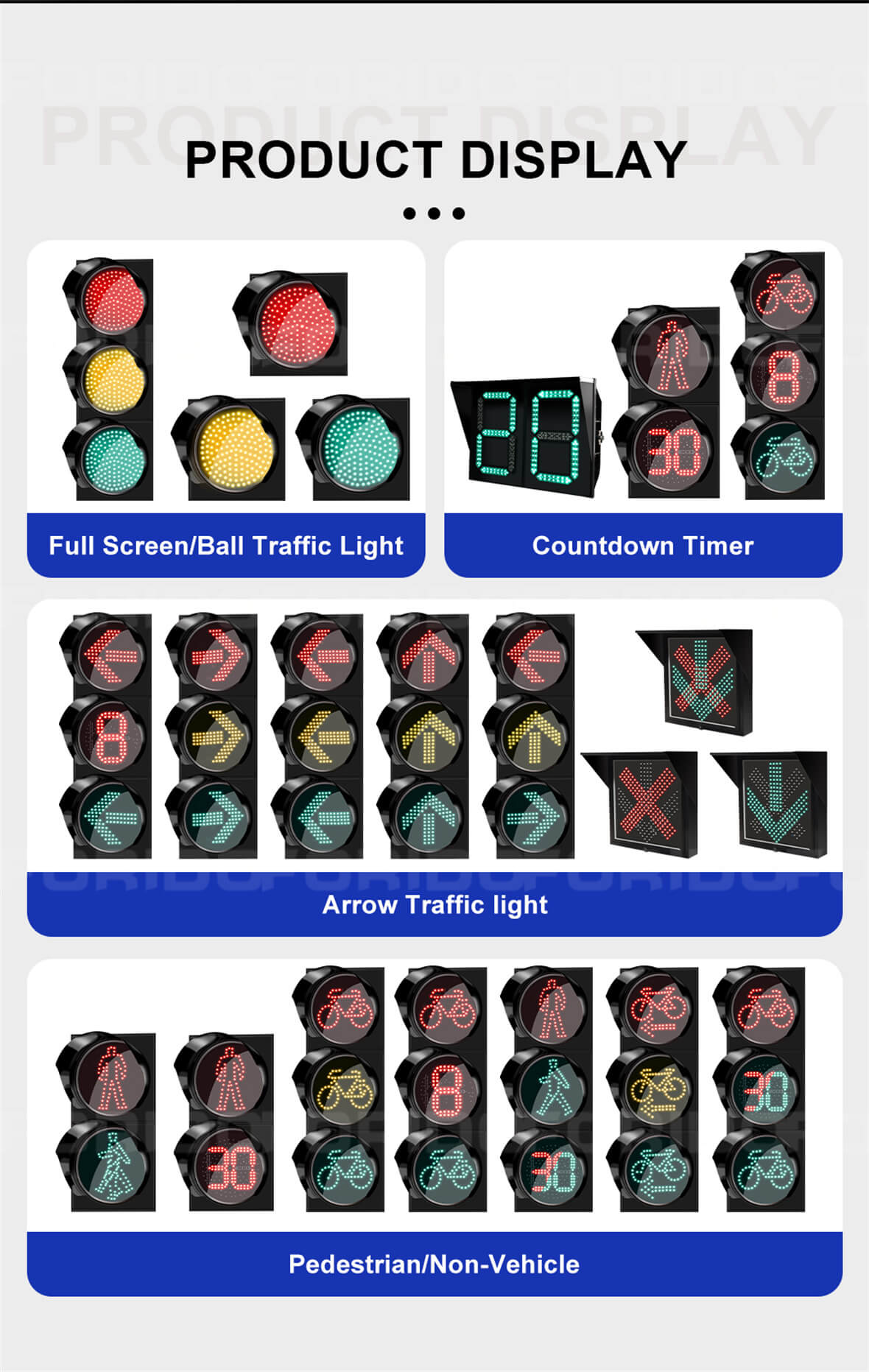
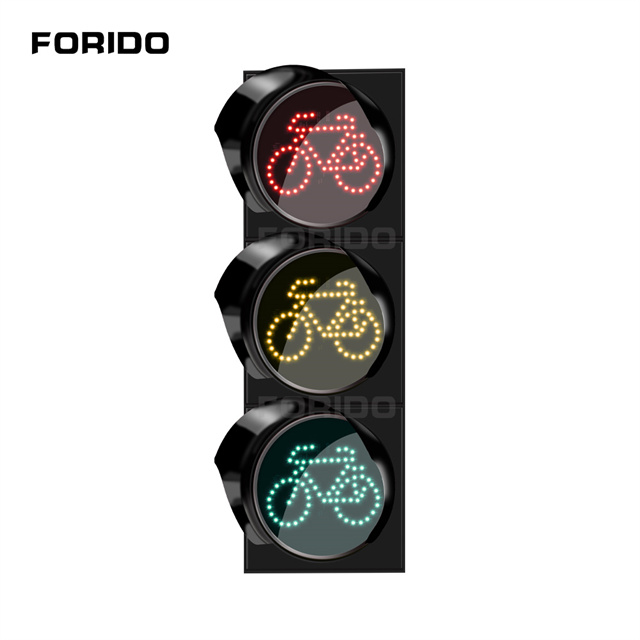
These are the primary visual signals mounted on poles or overhead. They control traffic by signaling when to stop (red), prepare to stop (yellow), and proceed (green). The lights are usually designed for high visibility and may include additional signals like arrows or pedestrian indicators for specific traffic flows.
● Signal Controller:
The signal controller is located in a roadside cabinet and is responsible for managing the timing and sequencing of the lights. It determines when each light should change based on programmed schedules or real-time traffic conditions. In advanced systems, controllers may adjust the timing dynamically based on traffic flow.
● Sensors Embedded in or Above the Road:
Sensors, such as inductive loops in the pavement, radar, or cameras, detect the presence of vehicles and pedestrians. These sensors help the system to adapt by triggering light changes when cars or people are waiting, ensuring more efficient traffic management.
Here’s a simplified breakdown:
Component | Function |
Lights (Red/Yellow/Green) | Signal stop, caution, go |
Controller Cabinet | Manages timing and control logic |
Sensors (loops, radar, camera) | Detect vehicles/pedestrians and send data |
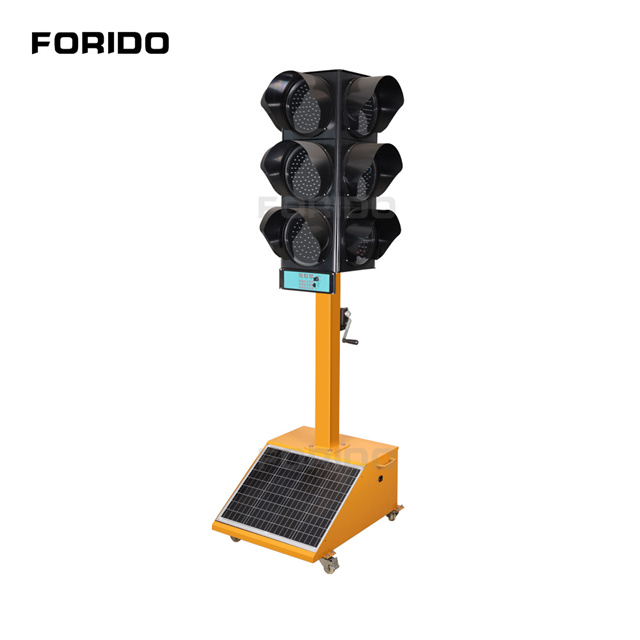
At the core, a controller sends electrical signals that turn lights on and off in sequence. This sequence can be fixed (timed cycles) or dynamic (triggered by sensors).
Many traffic lights use inductive‑loop sensors — coils of wire embedded under the road surface. When a metal vehicle stops over the loop, it changes the loop’s magnetic field. The controller senses this change and triggers a light change.
Traffic lights typically follow either:
● Fixed-timed cycles, where light durations are preset. Good for stable traffic conditions.
● Actuated or adaptive cycles, where sensor data determines light timing. This helps during rush hour or fluctuating traffic flows.
In urban areas, many lights are connected to central traffic control systems. These systems coordinate multiple intersections, optimizing traffic flow. By controlling multiple traffic signals at once, authorities can manage traffic more effectively, reducing congestion and improving safety.
Simple and reliable, these run on predetermined intervals. They don’t require sensors, so are easy to maintain. They suit areas with relatively consistent traffic.
These change signal timing based on real-time demand — triggered by sensor detection of waiting vehicles. They improve flow and avoid unnecessary delays.
Advanced systems dynamically adjust timing using sensor data, time of day, and traffic patterns. In large systems, they can synchronize multiple intersections for smooth “green-wave” progression.
Signal Controllers and Software:
Signal controllers are the core hardware that manage the timing and sequencing of traffic lights, ensuring they follow safety rules and respond to sensor inputs. The software embedded in these controllers orchestrates the flow of traffic, adjusting light changes based on preset timings or real-time data from sensors. This system ensures that lights operate efficiently and safely, preventing traffic congestion and accidents.
Wireless or Network Communication:
Communication systems, whether wireless or wired, connect traffic lights across a city grid, allowing them to synchronize and coordinate. This ensures a unified approach to traffic management, reducing congestion and optimizing flow. Through networked systems, traffic lights can be adjusted dynamically in response to conditions across multiple intersections, such as redirecting traffic or adjusting light timings to account for peak traffic periods or accidents.
AI and Data Analytics:
Artificial intelligence (AI) and data analytics are increasingly being integrated into modern smart-city traffic systems. These technologies process large amounts of real-time data—such as traffic flow patterns, weather conditions, and traffic incidents—to predict future traffic trends and optimize signal timing. AI can adjust traffic light sequences to minimize congestion and improve overall traffic efficiency, helping to respond dynamically to changing conditions, such as accidents, weather events, or fluctuating traffic volumes.
Traffic lights play a crucial role in preventing accidents. By regulating the flow of traffic and ensuring that vehicles stop and go at the right time, they significantly reduce the risk of collisions, especially at busy intersections and pedestrian crossings. Properly functioning traffic lights are essential to keeping both drivers and pedestrians safe.
One of the key benefits of traffic lights is that they help manage traffic flow. Well-coordinated and synchronized signals reduce congestion by ensuring vehicles move smoothly through intersections. By reducing bottlenecks and waiting times, traffic lights can improve the overall efficiency of the transportation system.
| Aspect | Description |
|---|---|
| Traffic Light Failures and Malfunctions | Despite their essential role in managing traffic, traffic light systems are susceptible to failures like power outages, sensor malfunctions, or communication breakdowns. These issues can cause confusion, traffic jams, delays, and accidents. For instance, malfunctioning sensors may result in unnecessarily long red lights, or communication issues between lights can cause miscoordination, creating bottlenecks. Regular maintenance and quick troubleshooting help minimize these impacts. |
| Congestion and Waiting Time | Inefficiently timed traffic lights can lead to longer waiting times and worse congestion, especially in cities with older, fixed-timed systems. When traffic signals aren't synchronized, vehicles may encounter multiple red lights in succession, leading to frustration, higher fuel consumption, and emissions. Adaptive signal control technology, which adjusts light timings in real-time based on data from sensors and cameras, helps improve traffic flow and reduce congestion. However, ongoing updates and maintenance are needed. |
Aspect | Description |
Impact of Smart Cities | As cities become "smarter," traffic management systems are evolving with the integration of real-time data, sensors, and AI. Traffic lights become adaptive and responsive, adjusting to current traffic conditions, such as vehicle sensors, weather data, and incidents. This helps reduce congestion and enhances safety by reacting to changes like accidents or high pedestrian activity. The system can prioritize specific vehicles (e.g., buses, emergency vehicles) and improve urban mobility by reducing congestion, ultimately leading to more sustainable and efficient cities. |
Role of Autonomous Vehicles in Traffic Light Systems | Autonomous vehicles will communicate directly with traffic light systems via vehicle-to-infrastructure (V2I) technology. This enables self-driving cars to adjust their speed and movement in response to signal changes, reducing unnecessary stops and improving traffic flow. The system will enhance safety by enabling vehicles to predict and respond to signal behavior, reducing collisions. As more autonomous vehicles are integrated, the transportation network will become more coordinated and efficient, contributing to safer and more efficient urban travel. |
Traffic lights are an essential part of the transportation system, helping to manage traffic, reduce accidents, and improve the flow of vehicles. With advancements in technology, traffic light systems are becoming smarter, more adaptive, and more efficient. As cities transition to smart infrastructure, the future of traffic lights will continue to evolve, ensuring safer, smoother commutes for everyone.At Forido , we specialize in designing, manufacturing, and installing outdoor lighting solutions. We believe advanced traffic system lighting plays a vital role in safer, smarter cities.
A: Traffic lights are signaling devices used to control the flow of traffic at intersections, directing vehicles and pedestrians when to stop, go, or prepare to stop.
A: Traffic lights operate using electrical signals controlled by a timer or sensors. These signals control the red, yellow, and green lights to manage traffic flow and ensure safety.
A: Traffic lights help prevent accidents by regulating traffic at busy intersections, improving safety for both drivers and pedestrians.
A: Traffic lights can be fixed-timed, demand-responsive, or adaptive, with adaptive systems using real-time data to adjust signal timing for optimal traffic flow.